.avif)
.avif)

Concept Art Outsourcing Guide 2026: Complete Strategy

.svg)

Concept art outsourcing helps game studios access specialized artists, reduce costs, and accelerate production timelines by partnering with external teams. Success depends on choosing the right studio, establishing clear communication protocols, and maintaining creative control through structured feedback cycles. Studios can access cost savings and talent pools that would take years to build in-house.
Modern game production demands visual content at scales that would've seemed impossible a decade ago. According to Carnegie Mellon research, creating a 90-minute animated film traditionally requires large teams of experienced animators working several years at costs of $150 million or more. Games face similar challenges, just with interactive complexity layered on top.
That's where concept art outsourcing enters the picture. Instead of building massive in-house art teams, studios partner with specialized external artists who handle everything from character design to environment concepts to UI mockups.
But here's the thing—outsourcing isn't just about saving money. It's about accessing talent, scaling production when needed, and keeping projects moving while internal teams focus on core gameplay and technical challenges.
Why Studios Outsource Concept Art
The reasons go beyond simple cost reduction, though that's certainly part of it. Game art outsourcing addresses several production realities that studios face in 2026.
Access to Specialized Talent
Finding artists who excel at specific styles—whether stylized characters, photorealistic environments, or pixel art—takes time. Building that expertise in-house means recruiting, training, and retaining specialists who might only be needed for portions of a project.
Outsourcing studios like those on the Unity Partner Programs have spent years assembling teams with proven expertise across multiple art styles and technical pipelines. One studio might specialize in stylized character work, another in hyper-realistic prop creation.
Flexible Production Scaling
Game development doesn't maintain consistent art production needs throughout a project. Pre-production might need dozens of concept variations. Production requires finalized assets. Post-launch content comes in waves.
Maintaining a large internal art team year-round means paying for capacity during slow periods. Outsourcing lets studios scale production up and down as needed.
Faster Turnaround Times
Time zone differences actually become an advantage. A studio in North America sends a brief at end-of-day. Their outsourcing partner in Eastern Europe or Asia works overnight. Morning brings completed concepts ready for review.
This follow-the-sun workflow can dramatically compress iteration cycles, especially during crunch periods when speed matters.
What to Prepare Before Outsourcing
The outsourcing process works best when studios arrive prepared. Random emails to art studios rarely produce great results. Successful partnerships start with clarity about what's actually needed.
Define Your Project Scope
Before contacting outsourcing studios, document exactly what assets are needed. How many character concepts? Environment variations? Art style references?
Vague requests like "we need some character art" waste everyone's time. Specific briefs like "15 character concept variations across 3 archetypes, stylized fantasy aesthetic similar to [reference game]" give studios what they need for accurate proposals.
Gather Visual References
Art direction lives in visual references, not written descriptions. Create a reference board showing exactly the style, mood, color palette, and quality level expected.
Include examples of what to avoid alongside what to emulate. This prevents misunderstandings that waste revision cycles.
Establish Budget Parameters
Outsourcing studios need budget context to propose realistic solutions. A project with a $5,000 budget gets different recommendations than one with $50,000 available.
Most studios structure pricing around deliverables rather than hourly rates. Contracts typically specify payment terms with 30% upfront and the remainder upon completion or at specified checkpoints.
Determine Timeline Requirements
When does the project actually need these assets? Rush projects cost more and reduce the available studio pool. Providing realistic timelines opens more options.
Build buffer time for revision rounds. Initial concepts rarely nail every detail on the first pass.
How the Outsourcing Process Works
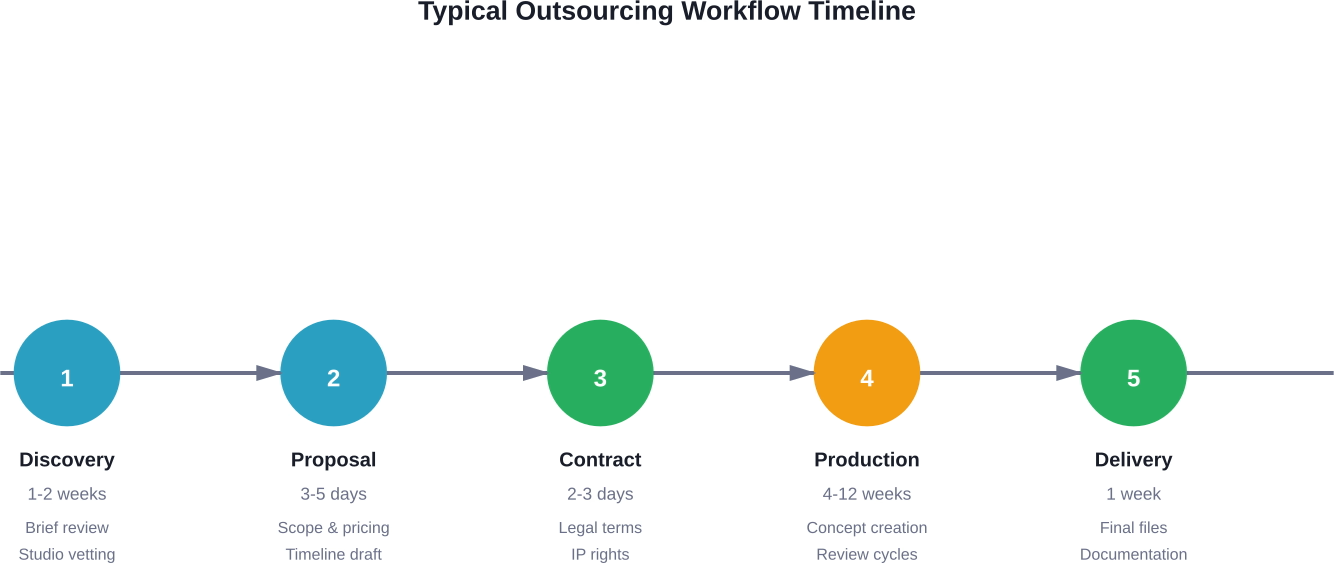
While specific workflows vary between studios, the general process follows predictable stages. Understanding these helps set proper expectations.
Initial Discovery and Studio Selection
Start by researching studios that match the project's needs. Portfolio quality matters more than company size. A boutique studio specializing in exactly the needed style often outperforms larger generalists.
Community discussions on platforms like Unity forums reveal real working experiences with various outsourcing partners. Studios like SAMI GRAPHIC have track records visible in client testimonials.
Proposal and Negotiation
Once a studio receives the brief, they'll return a proposal covering scope, deliverables, timeline, and costs. This document becomes the foundation for the entire relationship.
Review proposals carefully. The cheapest option rarely delivers the best results. Look for studios that ask clarifying questions—it shows they're thinking through potential challenges.
Contract and Agreement
Contracts should cover scope of work, delivery schedules, payment terms, revision policies, and intellectual property rights. Most studios provide standard agreements, but legal review prevents future disputes.
Pay special attention to IP ownership. Some contracts grant studios rights to use work in their portfolios. Others provide complete IP transfer. Clarify these terms upfront.
Production and Feedback Cycles
Production typically happens in stages with built-in review points. Early concepts might explore multiple directions before converging on final approaches.
Provide structured feedback. Instead of "this doesn't feel right," explain specifically what needs adjustment: "the character proportions feel too realistic for our stylized aesthetic—can we push the head size 20% larger?"
Delivery and File Handoff
Final deliveries should include source files in formats specified upfront. Concept art might arrive as layered PSDs, final renders as PNGs, with technical specifications documented.
Verify file organization and naming conventions match production pipeline requirements before closing the project.
Choosing the Right Outsourcing Studio
Not all outsourcing studios operate the same way. Finding the right partner makes the difference between smooth collaboration and constant friction.
Portfolio Quality Over Marketing
Fancy websites don't create art—artists do. Dig into portfolio work looking for pieces that match the required style and complexity level.
Ask for case studies showing the complete process from initial concept through final asset. This reveals how studios handle iteration and feedback.
Communication and Time Zone Alignment
Responsive communication prevents small misunderstandings from becoming expensive mistakes. Test response times during the proposal phase—slow communication early signals problems ahead.
Time zone differences can help or hurt. Moderate overlap enables real-time discussion when needed while still benefiting from overnight productivity.
Technical Pipeline Compatibility
Studios should work comfortably with the required software and file formats. If the internal pipeline uses specific tools or engines, verify the outsourcing partner has that expertise.
According to Carnegie Mellon research, professional animators spend years developing workflow expertise. The same applies to concept artists working within specific technical constraints.

Build a Stable Concept Art Outsourcing Team
Concept art defines the visual direction of your game or project, so instability in the team can slow everything down. NeoWork provides dedicated remote concept artists who integrate into your workflow instead of working as short-term freelancers. With a 91% annualized teammate retention rate and a 3.2% candidate selectivity rate, NeoWork focuses on long-term team continuity. That continuity helps preserve style, speed up approvals, and reduce revision cycles.
Ready to Outsource Concept Art With Long-Term Stability?
Talk with NeoWork to:
- assemble a curated concept art team
- align visual direction with production needs
- reduce churn and repeated onboarding
👉 Reach out to NeoWork to structure your concept art outsourcing team.
Common Outsourcing Challenges and Solutions
Even well-planned outsourcing relationships hit obstacles. Knowing common issues helps prevent or quickly resolve them.
Style Inconsistency
Different artists interpret style guides differently. This creates visual inconsistency across assets.
Solution: Establish a detailed style bible with annotated examples. Request that the same lead artist reviews all work before delivery to maintain consistency.
Revision Scope Creep
Projects can get trapped in endless revision cycles when feedback isn't structured or scope keeps expanding.
Solution: Define revision rounds in the contract. Major direction changes outside those rounds trigger change orders with additional costs.
Communication Gaps
Misunderstandings multiply when relying solely on text communication across time zones.
Solution: Use video calls for kickoffs and complex feedback. Create visual markup on concepts rather than written descriptions. Record short video walkthroughs when explaining changes.
File Format Issues
Assets arrive in formats that don't integrate smoothly with internal pipelines, requiring conversion work.
Solution: Specify exact technical requirements upfront including file formats, resolution, color space, layer organization, and naming conventions. Request test deliveries early to catch compatibility issues.
Managing Costs and Budgets
Understanding how outsourcing studios price work helps plan realistic budgets and compare proposals accurately.
Per-Asset vs. Project Pricing
Some studios charge per deliverable—$500 per character concept, $300 per environment sketch. Others quote project totals based on overall scope.
Per-asset pricing provides predictability when scope is clear. Project pricing offers flexibility for exploratory work where exact deliverable counts aren't finalized.
Hidden Cost Factors
Revision rounds beyond contracted amounts may carry additional fees. Rush delivery typically carries additional costs. Complex NDA or legal requirements might increase administrative overhead.
Ask studios to identify potential cost variables upfront so budgets include appropriate contingency.
Payment Structures
Standard practice splits payments across milestones, typically with 30% upfront and the remainder upon completion or at specified checkpoints. This protects both parties—studios get operating capital while clients withhold final payment until delivery meets standards.
Quality Control and Feedback Best Practices
The quality of outsourced work directly correlates with the quality of feedback provided. Vague criticism produces vague improvements.
Structured Feedback Templates
Create standardized feedback forms that separate technical issues from creative preferences. This helps artists prioritize changes and understand which feedback is mandatory versus optional.
Visual Annotation Tools
Tools that allow drawing directly on concepts communicate changes more clearly than written descriptions. Red arrows pointing to specific proportions or color swatches showing exact hue adjustments eliminate ambiguity.
Approval Workflows
Define who has approval authority. Too many stakeholders providing conflicting feedback creates chaos. Designate a single point of contact who consolidates internal feedback before sending to the studio.
IP Rights and Legal Considerations
Legal clarity prevents expensive disputes later. Address these topics before signing contracts.
Work-for-Hire Agreements
Most game studios need complete IP ownership of commissioned art. Work-for-hire clauses transfer all rights to the paying party, preventing future claims on the artwork.
Portfolio Usage Rights
Studios often want to showcase completed work in portfolios. If the game isn't publicly announced, this creates conflicts. Negotiate whether portfolio usage is allowed and under what conditions.
Confidentiality Requirements
NDAs protect unreleased game concepts. Ensure outsourcing partners sign appropriate confidentiality agreements and understand security requirements for file sharing and communication.
Moving Forward with Confidence
Concept art outsourcing opens production possibilities that would be impractical or impossible with purely internal teams. The cost savings, talent access, and scaling flexibility make it an essential strategy for modern game development.
Success requires preparation. Clear briefs, structured processes, and open communication turn outsourcing relationships into genuine partnerships rather than transactional arrangements.
Start small if outsourcing feels uncertain. A limited pilot project—maybe 5-10 concept pieces—provides low-risk experience with a studio before committing to larger engagements.
The studios producing exceptional game art today have spent years refining their craft and processes. Finding the right partner means doing the research, checking portfolios thoroughly, and establishing clear expectations from the first conversation.
Ready to explore outsourcing for an upcoming project? Begin by documenting exactly what's needed, gathering visual references that communicate the target style, and researching studios whose portfolios demonstrate relevant expertise. The investment in preparation pays dividends through smoother production and better results.
Frequently Asked Questions
Topics
Concept Art Outsourcing Guide 2026: Complete Strategy

Concept art outsourcing helps game studios access specialized artists, reduce costs, and accelerate production timelines by partnering with external teams. Success depends on choosing the right studio, establishing clear communication protocols, and maintaining creative control through structured feedback cycles. Studios can access cost savings and talent pools that would take years to build in-house.
Modern game production demands visual content at scales that would've seemed impossible a decade ago. According to Carnegie Mellon research, creating a 90-minute animated film traditionally requires large teams of experienced animators working several years at costs of $150 million or more. Games face similar challenges, just with interactive complexity layered on top.
That's where concept art outsourcing enters the picture. Instead of building massive in-house art teams, studios partner with specialized external artists who handle everything from character design to environment concepts to UI mockups.
But here's the thing—outsourcing isn't just about saving money. It's about accessing talent, scaling production when needed, and keeping projects moving while internal teams focus on core gameplay and technical challenges.
Why Studios Outsource Concept Art
The reasons go beyond simple cost reduction, though that's certainly part of it. Game art outsourcing addresses several production realities that studios face in 2026.
Access to Specialized Talent
Finding artists who excel at specific styles—whether stylized characters, photorealistic environments, or pixel art—takes time. Building that expertise in-house means recruiting, training, and retaining specialists who might only be needed for portions of a project.
Outsourcing studios like those on the Unity Partner Programs have spent years assembling teams with proven expertise across multiple art styles and technical pipelines. One studio might specialize in stylized character work, another in hyper-realistic prop creation.
Flexible Production Scaling
Game development doesn't maintain consistent art production needs throughout a project. Pre-production might need dozens of concept variations. Production requires finalized assets. Post-launch content comes in waves.
Maintaining a large internal art team year-round means paying for capacity during slow periods. Outsourcing lets studios scale production up and down as needed.
Faster Turnaround Times
Time zone differences actually become an advantage. A studio in North America sends a brief at end-of-day. Their outsourcing partner in Eastern Europe or Asia works overnight. Morning brings completed concepts ready for review.
This follow-the-sun workflow can dramatically compress iteration cycles, especially during crunch periods when speed matters.
What to Prepare Before Outsourcing
The outsourcing process works best when studios arrive prepared. Random emails to art studios rarely produce great results. Successful partnerships start with clarity about what's actually needed.
Define Your Project Scope
Before contacting outsourcing studios, document exactly what assets are needed. How many character concepts? Environment variations? Art style references?
Vague requests like "we need some character art" waste everyone's time. Specific briefs like "15 character concept variations across 3 archetypes, stylized fantasy aesthetic similar to [reference game]" give studios what they need for accurate proposals.
Gather Visual References
Art direction lives in visual references, not written descriptions. Create a reference board showing exactly the style, mood, color palette, and quality level expected.
Include examples of what to avoid alongside what to emulate. This prevents misunderstandings that waste revision cycles.
Establish Budget Parameters
Outsourcing studios need budget context to propose realistic solutions. A project with a $5,000 budget gets different recommendations than one with $50,000 available.
Most studios structure pricing around deliverables rather than hourly rates. Contracts typically specify payment terms with 30% upfront and the remainder upon completion or at specified checkpoints.
Determine Timeline Requirements
When does the project actually need these assets? Rush projects cost more and reduce the available studio pool. Providing realistic timelines opens more options.
Build buffer time for revision rounds. Initial concepts rarely nail every detail on the first pass.
How the Outsourcing Process Works
While specific workflows vary between studios, the general process follows predictable stages. Understanding these helps set proper expectations.
Initial Discovery and Studio Selection
Start by researching studios that match the project's needs. Portfolio quality matters more than company size. A boutique studio specializing in exactly the needed style often outperforms larger generalists.
Community discussions on platforms like Unity forums reveal real working experiences with various outsourcing partners. Studios like SAMI GRAPHIC have track records visible in client testimonials.
Proposal and Negotiation
Once a studio receives the brief, they'll return a proposal covering scope, deliverables, timeline, and costs. This document becomes the foundation for the entire relationship.
Review proposals carefully. The cheapest option rarely delivers the best results. Look for studios that ask clarifying questions—it shows they're thinking through potential challenges.
Contract and Agreement
Contracts should cover scope of work, delivery schedules, payment terms, revision policies, and intellectual property rights. Most studios provide standard agreements, but legal review prevents future disputes.
Pay special attention to IP ownership. Some contracts grant studios rights to use work in their portfolios. Others provide complete IP transfer. Clarify these terms upfront.
Production and Feedback Cycles
Production typically happens in stages with built-in review points. Early concepts might explore multiple directions before converging on final approaches.
Provide structured feedback. Instead of "this doesn't feel right," explain specifically what needs adjustment: "the character proportions feel too realistic for our stylized aesthetic—can we push the head size 20% larger?"
Delivery and File Handoff
Final deliveries should include source files in formats specified upfront. Concept art might arrive as layered PSDs, final renders as PNGs, with technical specifications documented.
Verify file organization and naming conventions match production pipeline requirements before closing the project.
Choosing the Right Outsourcing Studio
Not all outsourcing studios operate the same way. Finding the right partner makes the difference between smooth collaboration and constant friction.
Portfolio Quality Over Marketing
Fancy websites don't create art—artists do. Dig into portfolio work looking for pieces that match the required style and complexity level.
Ask for case studies showing the complete process from initial concept through final asset. This reveals how studios handle iteration and feedback.
Communication and Time Zone Alignment
Responsive communication prevents small misunderstandings from becoming expensive mistakes. Test response times during the proposal phase—slow communication early signals problems ahead.
Time zone differences can help or hurt. Moderate overlap enables real-time discussion when needed while still benefiting from overnight productivity.
Technical Pipeline Compatibility
Studios should work comfortably with the required software and file formats. If the internal pipeline uses specific tools or engines, verify the outsourcing partner has that expertise.
According to Carnegie Mellon research, professional animators spend years developing workflow expertise. The same applies to concept artists working within specific technical constraints.
Build a Stable Concept Art Outsourcing Team
Concept art defines the visual direction of your game or project, so instability in the team can slow everything down. NeoWork provides dedicated remote concept artists who integrate into your workflow instead of working as short-term freelancers. With a 91% annualized teammate retention rate and a 3.2% candidate selectivity rate, NeoWork focuses on long-term team continuity. That continuity helps preserve style, speed up approvals, and reduce revision cycles.
Ready to Outsource Concept Art With Long-Term Stability?
Talk with NeoWork to:
- assemble a curated concept art team
- align visual direction with production needs
- reduce churn and repeated onboarding
👉 Reach out to NeoWork to structure your concept art outsourcing team.
Common Outsourcing Challenges and Solutions
Even well-planned outsourcing relationships hit obstacles. Knowing common issues helps prevent or quickly resolve them.
Style Inconsistency
Different artists interpret style guides differently. This creates visual inconsistency across assets.
Solution: Establish a detailed style bible with annotated examples. Request that the same lead artist reviews all work before delivery to maintain consistency.
Revision Scope Creep
Projects can get trapped in endless revision cycles when feedback isn't structured or scope keeps expanding.
Solution: Define revision rounds in the contract. Major direction changes outside those rounds trigger change orders with additional costs.
Communication Gaps
Misunderstandings multiply when relying solely on text communication across time zones.
Solution: Use video calls for kickoffs and complex feedback. Create visual markup on concepts rather than written descriptions. Record short video walkthroughs when explaining changes.
File Format Issues
Assets arrive in formats that don't integrate smoothly with internal pipelines, requiring conversion work.
Solution: Specify exact technical requirements upfront including file formats, resolution, color space, layer organization, and naming conventions. Request test deliveries early to catch compatibility issues.
Managing Costs and Budgets
Understanding how outsourcing studios price work helps plan realistic budgets and compare proposals accurately.
Per-Asset vs. Project Pricing
Some studios charge per deliverable—$500 per character concept, $300 per environment sketch. Others quote project totals based on overall scope.
Per-asset pricing provides predictability when scope is clear. Project pricing offers flexibility for exploratory work where exact deliverable counts aren't finalized.
Hidden Cost Factors
Revision rounds beyond contracted amounts may carry additional fees. Rush delivery typically carries additional costs. Complex NDA or legal requirements might increase administrative overhead.
Ask studios to identify potential cost variables upfront so budgets include appropriate contingency.
Payment Structures
Standard practice splits payments across milestones, typically with 30% upfront and the remainder upon completion or at specified checkpoints. This protects both parties—studios get operating capital while clients withhold final payment until delivery meets standards.
Quality Control and Feedback Best Practices
The quality of outsourced work directly correlates with the quality of feedback provided. Vague criticism produces vague improvements.
Structured Feedback Templates
Create standardized feedback forms that separate technical issues from creative preferences. This helps artists prioritize changes and understand which feedback is mandatory versus optional.
Visual Annotation Tools
Tools that allow drawing directly on concepts communicate changes more clearly than written descriptions. Red arrows pointing to specific proportions or color swatches showing exact hue adjustments eliminate ambiguity.
Approval Workflows
Define who has approval authority. Too many stakeholders providing conflicting feedback creates chaos. Designate a single point of contact who consolidates internal feedback before sending to the studio.
IP Rights and Legal Considerations
Legal clarity prevents expensive disputes later. Address these topics before signing contracts.
Work-for-Hire Agreements
Most game studios need complete IP ownership of commissioned art. Work-for-hire clauses transfer all rights to the paying party, preventing future claims on the artwork.
Portfolio Usage Rights
Studios often want to showcase completed work in portfolios. If the game isn't publicly announced, this creates conflicts. Negotiate whether portfolio usage is allowed and under what conditions.
Confidentiality Requirements
NDAs protect unreleased game concepts. Ensure outsourcing partners sign appropriate confidentiality agreements and understand security requirements for file sharing and communication.
Moving Forward with Confidence
Concept art outsourcing opens production possibilities that would be impractical or impossible with purely internal teams. The cost savings, talent access, and scaling flexibility make it an essential strategy for modern game development.
Success requires preparation. Clear briefs, structured processes, and open communication turn outsourcing relationships into genuine partnerships rather than transactional arrangements.
Start small if outsourcing feels uncertain. A limited pilot project—maybe 5-10 concept pieces—provides low-risk experience with a studio before committing to larger engagements.
The studios producing exceptional game art today have spent years refining their craft and processes. Finding the right partner means doing the research, checking portfolios thoroughly, and establishing clear expectations from the first conversation.
Ready to explore outsourcing for an upcoming project? Begin by documenting exactly what's needed, gathering visual references that communicate the target style, and researching studios whose portfolios demonstrate relevant expertise. The investment in preparation pays dividends through smoother production and better results.
Frequently Asked Questions
Topics
Related Blogs
Related Podcasts