

.avif)
.avif)

Game QA Outsourcing Guide: When & Why Studios Choose It


.svg)

Game QA outsourcing allows studios to access specialized testing expertise, scale teams flexibly, and reduce costs while maintaining quality. According to GamesIndustry.biz research from 2009, 83% of UK game developers outsource at least one business process, with external QA being essential for meeting tight deadlines and skill requirements. The decision depends on project complexity, budget constraints, and whether hybrid models combining internal and external QA resources make strategic sense.
Modern games ship across more platforms, devices, and configurations than ever before. That reality creates testing demands that quickly overwhelm even well-staffed internal teams.
Outsourcing game QA has shifted from occasional necessity to strategic advantage. But the decision isn't simple—knowing when external testing makes sense requires understanding both the benefits and trade-offs.
What Game QA Outsourcing Actually Means
Game QA outsourcing refers to hiring external testing teams to handle quality assurance tasks that would otherwise fall to internal staff. These external partners can cover everything from functional testing and performance validation to platform certification and localization checks.
The scope varies dramatically. Some studios outsource specific testing phases like alpha coverage or platform compliance. Others maintain skeleton internal teams while relying on external vendors for the bulk of testing work.
Here's the thing though—outsourcing isn't abandoning quality control. It's accessing specialized expertise and scalable resources that most studios can't justify maintaining full-time.
Why Studios Choose External QA Partners
According to GamesIndustry.biz research from 2009, 83% of UK game developers outsource at least one business process. Leading developers including Blitz Games, Monumental Games, and Ubisoft Reflections pointed to outsourcing as essential for meeting tight deadlines, skill requirements, and scalability issues.
The reasons break down into several categories.
Cost Efficiency Without Sacrificing Coverage
Building an internal QA team means salaries, benefits, equipment, office space, and ongoing training. Those costs don't scale down when projects wrap or testing needs shrink between milestones.
External QA services operate on flexible models. Studios pay for the testing coverage they actually need, when they need it. That financial flexibility matters enormously for indie developers and mid-sized studios operating on tight margins.
Access to Specialized Testing Expertise
Modern games require increasingly specialized knowledge. Testing a multiplayer mobile game demands different expertise than validating a narrative-driven console title or debugging VR performance.
Quality outsourcing partners maintain teams with platform-specific experience. They've tested hundreds of games across console, PC, and mobile. That accumulated knowledge identifies issues internal teams might miss simply because they haven't seen similar problems before.
Scalability That Matches Development Cycles
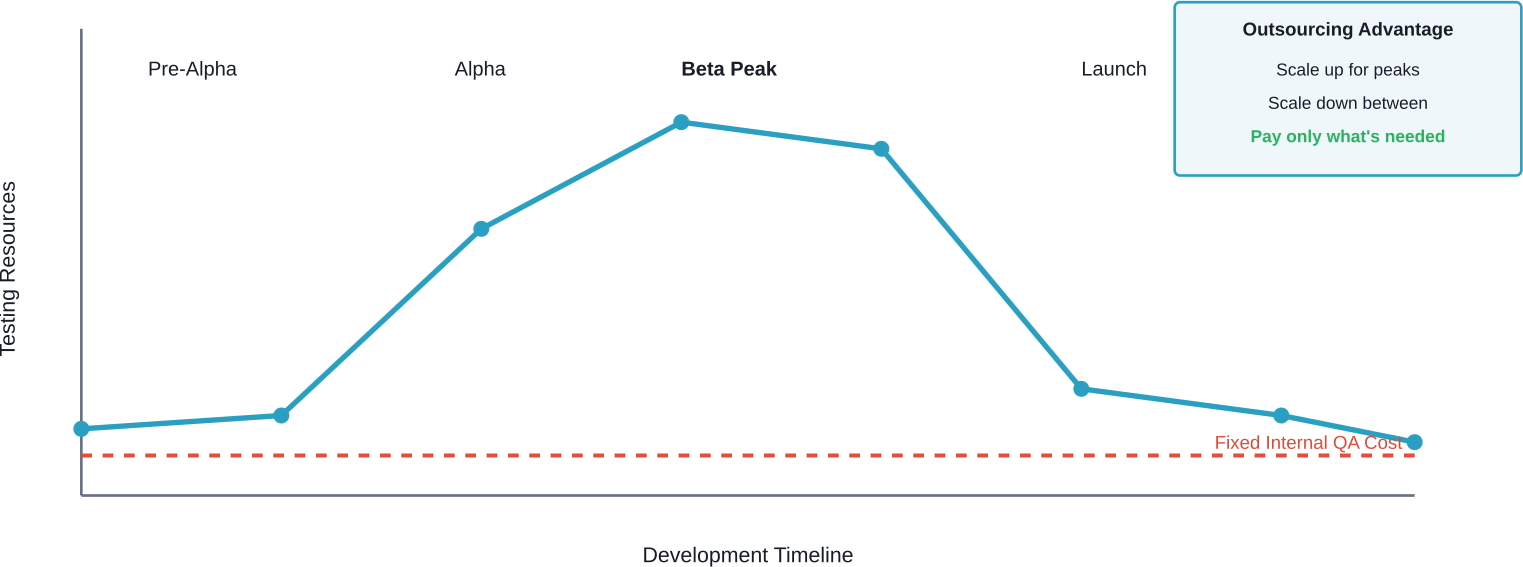
Game development doesn't require consistent testing resources. Alpha and beta phases demand intensive coverage. Post-launch often needs quick bursts for patch validation. Between those peaks, testing needs drop dramatically.
External partners scale teams up or down within days, sometimes within 24 hours according to some QA vendors. That agility eliminates the awkward choice between maintaining excess staff or scrambling for coverage during crunch.
Fresh Perspectives on Established Projects
Internal teams working on the same game for months develop blind spots. They unconsciously avoid problematic workflows or stop noticing confusing UI elements because they've adapted to the quirks.
External testers approach games with completely fresh eyes. They experience the game the way actual players will—without insider knowledge, without compensating behaviors, without assumptions about how systems should work.
When Internal QA Still Makes More Sense
Outsourcing isn't universally optimal. Some situations favor internal testing teams.
Early development stages benefit from embedded QA staff who understand design intent and can provide immediate feedback during rapid iteration. Security-sensitive projects with strict NDA requirements create complications for external partners. Games built on proprietary engines or tools require specialized knowledge that takes external teams longer to acquire.
Small teams working on focused projects sometimes find managing external vendors creates more overhead than simply handling testing internally. The coordination effort matters.
Hybrid Approaches: Combining Internal and External QA
Most successful studios don't choose purely internal or purely external testing. They blend both strategically.
Common hybrid models maintain small core internal teams for ongoing validation, design feedback, and critical-path testing. External partners then scale coverage during intensive testing phases, handle platform-specific validation, and provide specialized expertise for particular test types like performance or localization.
This approach balances the institutional knowledge and tight integration of internal QA with the flexibility and specialized capabilities of external partners.

Work With a Stable Game QA Outsourcing Partner
Game QA outsourcing should improve release quality, not create more coordination overhead. NeoWork provides dedicated remote QA testers who integrate into your sprint cycles, test plans, and reporting workflows. With a 91% annualized teammate retention rate and a 3.2% candidate selectivity rate, NeoWork focuses on long-term team consistency instead of rotating short-term contractors. That stability reduces repetitive onboarding and improves bug tracking accuracy over time.
Ready to Strengthen Your QA Process?
Talk with NeoWork to:
- build a dedicated remote QA team
- improve regression and device testing coverage
- reduce churn and retraining costs
👉 Connect with NeoWork to plan your game QA outsourcing setup.
How to Evaluate Game QA Outsourcing Partners
Choosing the right external testing partner determines whether outsourcing succeeds or becomes a frustrating expense. Several factors deserve careful evaluation.
Platform and Genre Experience
Generic software testing experience doesn't translate directly to game QA. The right partner should demonstrate specific experience with target platforms—whether console, PC, mobile, or emerging platforms like VR.
Genre matters too. Testing a competitive multiplayer shooter requires different skills than validating a puzzle game or narrative adventure. Look for vendors who've shipped games similar to current projects.
Device and Hardware Coverage
Mobile games especially demand testing across numerous devices with different specifications, screen sizes, and operating system versions. Quality outsourcing partners maintain extensive device labs covering both current popular models and legacy devices that still represent significant player populations.
Console and PC testing requires access to various hardware configurations, peripherals, and regional platform variants. Verify vendors actually maintain the hardware needed rather than just claiming capability.
Bug Report Quality and Documentation Standards
The value of external QA depends entirely on bug report quality. Vague descriptions like "game crashes sometimes" waste development time. Quality reports include exact reproduction steps, frequency data, environment details, screenshots or video captures, and initial severity assessments.
Request sample bug reports during vendor evaluation. The documentation standards reveal whether testers understand game development needs or just mechanically execute test cases.
Communication Systems and Responsiveness
Effective outsourcing requires smooth communication. Time zone differences, language barriers, and unclear escalation paths create friction that undermines the efficiency benefits of external testing.
Evaluate communication infrastructure early. How quickly do contacts respond? What tools do they use for bug tracking and reporting? Can they integrate with existing project management systems? Do they assign dedicated coordinators or require routing everything through general contact emails?
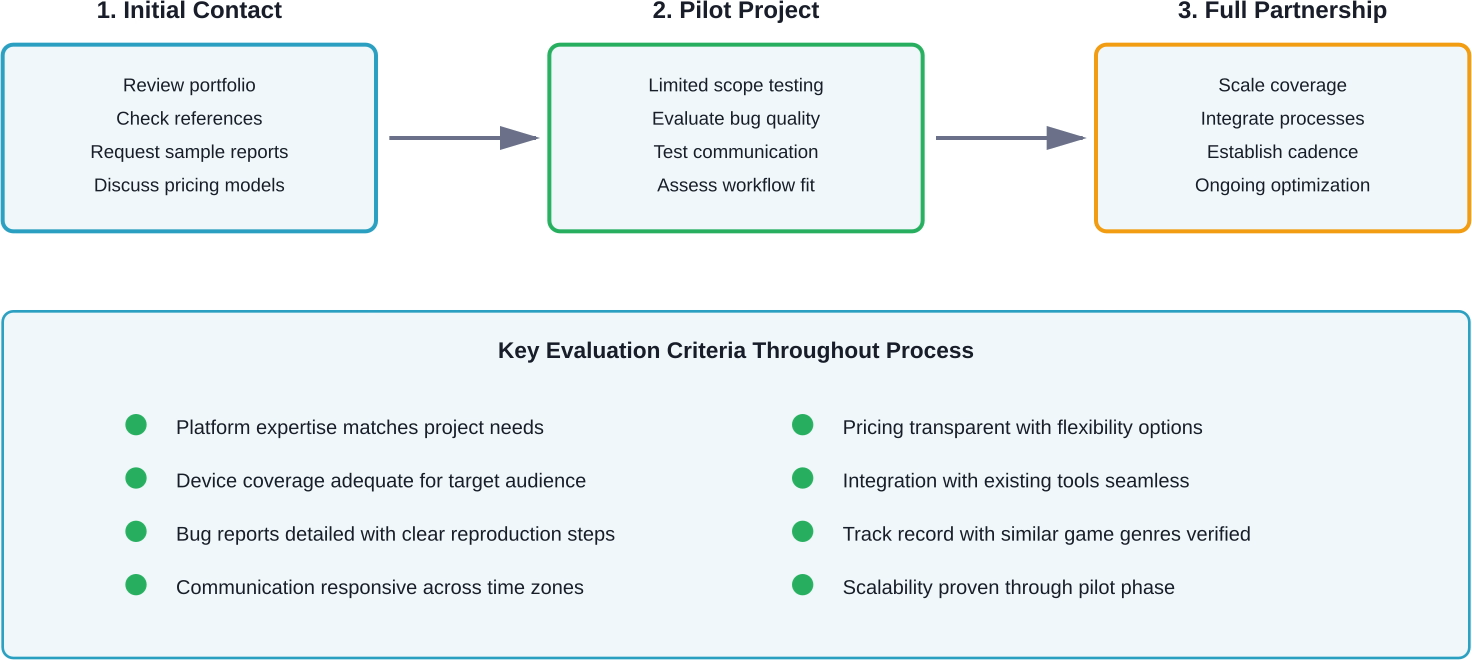
Pilot Projects Before Full Commitment
Smart studios test potential partners with limited pilot projects before committing to full testing outsourcing. Small initial engagements reveal whether vendors deliver on promises without risking entire testing operations.
Pilots also help establish workflows, identify integration friction points, and calibrate expectations on both sides. The investment in a trial phase pays for itself by preventing costly mismatches.
Best Practices for Successful QA Outsourcing
Getting maximum value from external QA partners requires intentional practices beyond just signing contracts and sending builds.
Clear Documentation and Test Requirements
External testers can't read minds. They need comprehensive documentation covering game mechanics, expected behaviors, known issues, and testing priorities. The clearer the requirements, the more efficiently external teams work and the fewer false positives clutter bug reports.
Documentation doesn't mean writing novels. Concise test cases, video walkthroughs of intended gameplay, and clearly marked priority areas often work better than lengthy written specifications.
Integrated Tools and Workflows
Friction between internal development tools and external testing processes wastes time and creates gaps. Successful outsourcing integrates external teams into existing bug tracking systems, communication platforms, and build distribution workflows.
The investment in integration pays ongoing dividends. When external testers can directly file bugs into JIRA, Trello, or whatever system development uses, issues get triaged faster and nothing falls through coordination cracks.
Regular Feedback Loops
Quality improves when external teams receive regular feedback about bug report quality, testing priorities, and development needs. Treating vendors as partners rather than contractors encourages this ongoing optimization.
Simple practices help—weekly syncs to discuss testing focus, feedback sessions after major milestones, and shared visibility into how reported bugs get resolved. These touchpoints align external testing with development reality.
Performance Metrics and Continuous Improvement
Track meaningful metrics about outsourcing effectiveness. Not just bug counts, but metrics like valid bug rate, critical issue discovery timing, test coverage completeness, and report clarity ratings.
Data reveals what's working and what needs adjustment. Low valid bug rates might indicate insufficient context documentation. Late critical issue discovery suggests testing priorities need realignment.
Common Outsourcing Challenges and Solutions
Even well-planned QA outsourcing encounters predictable challenges. Knowing them ahead helps minimize disruption.
Pricing Models and Budget Considerations
Game QA outsourcing pricing varies significantly based on scope, platform requirements, and vendor capabilities. Understanding common pricing structures helps budget appropriately.
Hourly rates, project-based pricing, and dedicated team models all exist as common pricing structures. Pricing varies significantly based on tester experience, testing complexity, and vendor capabilities. Check official pricing with specific vendors for current rates.
Making the Outsourcing Decision
So when does outsourcing actually make sense for a specific studio or project?
The decision matrix centers on several factors. Testing needs that exceed internal capacity clearly favor outsourcing. Budget constraints that make full-time QA staff unsustainable push toward external partners. Projects requiring specialized platform expertise not present internally benefit from vendor knowledge.
But also consider team culture, project sensitivity, and coordination capacity. Studios that struggle managing contractors might find outsourcing creates more problems than it solves. Highly secretive projects with severe IP concerns may need internal-only approaches despite higher costs.
There's no universal answer. The right choice depends on specific circumstances, project requirements, and organizational capabilities.
Moving Forward with Game QA Outsourcing
Modern game development increasingly relies on external QA partnerships to maintain quality across expanding platform ecosystems. The data backs this trend—according to GamesIndustry.biz research from 2009, 83% of UK developers already outsource at least one business process, with QA representing a common choice.
The decision isn't whether outsourcing works—proven implementations demonstrate clear value. The real questions are when it makes strategic sense for specific projects, which vendors align with particular needs, and how to structure partnerships for maximum effectiveness.
Smart studios approach outsourcing strategically rather than reactively. They evaluate vendors carefully, start with pilot projects, integrate external teams into development workflows, and continuously optimize based on performance data.
Whether maintaining hybrid models with core internal teams or relying primarily on external partners, the goal remains consistent—delivering quality games efficiently within budget constraints. External QA partnerships, properly implemented, support that goal while providing flexibility that purely internal approaches can't match.
Frequently Asked Questions
Topics
Game QA Outsourcing Guide: When & Why Studios Choose It

Game QA outsourcing allows studios to access specialized testing expertise, scale teams flexibly, and reduce costs while maintaining quality. According to GamesIndustry.biz research from 2009, 83% of UK game developers outsource at least one business process, with external QA being essential for meeting tight deadlines and skill requirements. The decision depends on project complexity, budget constraints, and whether hybrid models combining internal and external QA resources make strategic sense.
Modern games ship across more platforms, devices, and configurations than ever before. That reality creates testing demands that quickly overwhelm even well-staffed internal teams.
Outsourcing game QA has shifted from occasional necessity to strategic advantage. But the decision isn't simple—knowing when external testing makes sense requires understanding both the benefits and trade-offs.
What Game QA Outsourcing Actually Means
Game QA outsourcing refers to hiring external testing teams to handle quality assurance tasks that would otherwise fall to internal staff. These external partners can cover everything from functional testing and performance validation to platform certification and localization checks.
The scope varies dramatically. Some studios outsource specific testing phases like alpha coverage or platform compliance. Others maintain skeleton internal teams while relying on external vendors for the bulk of testing work.
Here's the thing though—outsourcing isn't abandoning quality control. It's accessing specialized expertise and scalable resources that most studios can't justify maintaining full-time.
Why Studios Choose External QA Partners
According to GamesIndustry.biz research from 2009, 83% of UK game developers outsource at least one business process. Leading developers including Blitz Games, Monumental Games, and Ubisoft Reflections pointed to outsourcing as essential for meeting tight deadlines, skill requirements, and scalability issues.
The reasons break down into several categories.
Cost Efficiency Without Sacrificing Coverage
Building an internal QA team means salaries, benefits, equipment, office space, and ongoing training. Those costs don't scale down when projects wrap or testing needs shrink between milestones.
External QA services operate on flexible models. Studios pay for the testing coverage they actually need, when they need it. That financial flexibility matters enormously for indie developers and mid-sized studios operating on tight margins.
Access to Specialized Testing Expertise
Modern games require increasingly specialized knowledge. Testing a multiplayer mobile game demands different expertise than validating a narrative-driven console title or debugging VR performance.
Quality outsourcing partners maintain teams with platform-specific experience. They've tested hundreds of games across console, PC, and mobile. That accumulated knowledge identifies issues internal teams might miss simply because they haven't seen similar problems before.
Scalability That Matches Development Cycles
Game development doesn't require consistent testing resources. Alpha and beta phases demand intensive coverage. Post-launch often needs quick bursts for patch validation. Between those peaks, testing needs drop dramatically.
External partners scale teams up or down within days, sometimes within 24 hours according to some QA vendors. That agility eliminates the awkward choice between maintaining excess staff or scrambling for coverage during crunch.
Fresh Perspectives on Established Projects
Internal teams working on the same game for months develop blind spots. They unconsciously avoid problematic workflows or stop noticing confusing UI elements because they've adapted to the quirks.
External testers approach games with completely fresh eyes. They experience the game the way actual players will—without insider knowledge, without compensating behaviors, without assumptions about how systems should work.
When Internal QA Still Makes More Sense
Outsourcing isn't universally optimal. Some situations favor internal testing teams.
Early development stages benefit from embedded QA staff who understand design intent and can provide immediate feedback during rapid iteration. Security-sensitive projects with strict NDA requirements create complications for external partners. Games built on proprietary engines or tools require specialized knowledge that takes external teams longer to acquire.
Small teams working on focused projects sometimes find managing external vendors creates more overhead than simply handling testing internally. The coordination effort matters.
Hybrid Approaches: Combining Internal and External QA
Most successful studios don't choose purely internal or purely external testing. They blend both strategically.
Common hybrid models maintain small core internal teams for ongoing validation, design feedback, and critical-path testing. External partners then scale coverage during intensive testing phases, handle platform-specific validation, and provide specialized expertise for particular test types like performance or localization.
This approach balances the institutional knowledge and tight integration of internal QA with the flexibility and specialized capabilities of external partners.
Work With a Stable Game QA Outsourcing Partner
Game QA outsourcing should improve release quality, not create more coordination overhead. NeoWork provides dedicated remote QA testers who integrate into your sprint cycles, test plans, and reporting workflows. With a 91% annualized teammate retention rate and a 3.2% candidate selectivity rate, NeoWork focuses on long-term team consistency instead of rotating short-term contractors. That stability reduces repetitive onboarding and improves bug tracking accuracy over time.
Ready to Strengthen Your QA Process?
Talk with NeoWork to:
- build a dedicated remote QA team
- improve regression and device testing coverage
- reduce churn and retraining costs
👉 Connect with NeoWork to plan your game QA outsourcing setup.
How to Evaluate Game QA Outsourcing Partners
Choosing the right external testing partner determines whether outsourcing succeeds or becomes a frustrating expense. Several factors deserve careful evaluation.
Platform and Genre Experience
Generic software testing experience doesn't translate directly to game QA. The right partner should demonstrate specific experience with target platforms—whether console, PC, mobile, or emerging platforms like VR.
Genre matters too. Testing a competitive multiplayer shooter requires different skills than validating a puzzle game or narrative adventure. Look for vendors who've shipped games similar to current projects.
Device and Hardware Coverage
Mobile games especially demand testing across numerous devices with different specifications, screen sizes, and operating system versions. Quality outsourcing partners maintain extensive device labs covering both current popular models and legacy devices that still represent significant player populations.
Console and PC testing requires access to various hardware configurations, peripherals, and regional platform variants. Verify vendors actually maintain the hardware needed rather than just claiming capability.
Bug Report Quality and Documentation Standards
The value of external QA depends entirely on bug report quality. Vague descriptions like "game crashes sometimes" waste development time. Quality reports include exact reproduction steps, frequency data, environment details, screenshots or video captures, and initial severity assessments.
Request sample bug reports during vendor evaluation. The documentation standards reveal whether testers understand game development needs or just mechanically execute test cases.
Communication Systems and Responsiveness
Effective outsourcing requires smooth communication. Time zone differences, language barriers, and unclear escalation paths create friction that undermines the efficiency benefits of external testing.
Evaluate communication infrastructure early. How quickly do contacts respond? What tools do they use for bug tracking and reporting? Can they integrate with existing project management systems? Do they assign dedicated coordinators or require routing everything through general contact emails?
Pilot Projects Before Full Commitment
Smart studios test potential partners with limited pilot projects before committing to full testing outsourcing. Small initial engagements reveal whether vendors deliver on promises without risking entire testing operations.
Pilots also help establish workflows, identify integration friction points, and calibrate expectations on both sides. The investment in a trial phase pays for itself by preventing costly mismatches.
Best Practices for Successful QA Outsourcing
Getting maximum value from external QA partners requires intentional practices beyond just signing contracts and sending builds.
Clear Documentation and Test Requirements
External testers can't read minds. They need comprehensive documentation covering game mechanics, expected behaviors, known issues, and testing priorities. The clearer the requirements, the more efficiently external teams work and the fewer false positives clutter bug reports.
Documentation doesn't mean writing novels. Concise test cases, video walkthroughs of intended gameplay, and clearly marked priority areas often work better than lengthy written specifications.
Integrated Tools and Workflows
Friction between internal development tools and external testing processes wastes time and creates gaps. Successful outsourcing integrates external teams into existing bug tracking systems, communication platforms, and build distribution workflows.
The investment in integration pays ongoing dividends. When external testers can directly file bugs into JIRA, Trello, or whatever system development uses, issues get triaged faster and nothing falls through coordination cracks.
Regular Feedback Loops
Quality improves when external teams receive regular feedback about bug report quality, testing priorities, and development needs. Treating vendors as partners rather than contractors encourages this ongoing optimization.
Simple practices help—weekly syncs to discuss testing focus, feedback sessions after major milestones, and shared visibility into how reported bugs get resolved. These touchpoints align external testing with development reality.
Performance Metrics and Continuous Improvement
Track meaningful metrics about outsourcing effectiveness. Not just bug counts, but metrics like valid bug rate, critical issue discovery timing, test coverage completeness, and report clarity ratings.
Data reveals what's working and what needs adjustment. Low valid bug rates might indicate insufficient context documentation. Late critical issue discovery suggests testing priorities need realignment.
Common Outsourcing Challenges and Solutions
Even well-planned QA outsourcing encounters predictable challenges. Knowing them ahead helps minimize disruption.
Pricing Models and Budget Considerations
Game QA outsourcing pricing varies significantly based on scope, platform requirements, and vendor capabilities. Understanding common pricing structures helps budget appropriately.
Hourly rates, project-based pricing, and dedicated team models all exist as common pricing structures. Pricing varies significantly based on tester experience, testing complexity, and vendor capabilities. Check official pricing with specific vendors for current rates.
Making the Outsourcing Decision
So when does outsourcing actually make sense for a specific studio or project?
The decision matrix centers on several factors. Testing needs that exceed internal capacity clearly favor outsourcing. Budget constraints that make full-time QA staff unsustainable push toward external partners. Projects requiring specialized platform expertise not present internally benefit from vendor knowledge.
But also consider team culture, project sensitivity, and coordination capacity. Studios that struggle managing contractors might find outsourcing creates more problems than it solves. Highly secretive projects with severe IP concerns may need internal-only approaches despite higher costs.
There's no universal answer. The right choice depends on specific circumstances, project requirements, and organizational capabilities.
Moving Forward with Game QA Outsourcing
Modern game development increasingly relies on external QA partnerships to maintain quality across expanding platform ecosystems. The data backs this trend—according to GamesIndustry.biz research from 2009, 83% of UK developers already outsource at least one business process, with QA representing a common choice.
The decision isn't whether outsourcing works—proven implementations demonstrate clear value. The real questions are when it makes strategic sense for specific projects, which vendors align with particular needs, and how to structure partnerships for maximum effectiveness.
Smart studios approach outsourcing strategically rather than reactively. They evaluate vendors carefully, start with pilot projects, integrate external teams into development workflows, and continuously optimize based on performance data.
Whether maintaining hybrid models with core internal teams or relying primarily on external partners, the goal remains consistent—delivering quality games efficiently within budget constraints. External QA partnerships, properly implemented, support that goal while providing flexibility that purely internal approaches can't match.
Frequently Asked Questions
Topics
Related Blogs
Related Podcasts


.webp)
.webp)



